Research Study
Microinteractions Study
How subtle animations and feedback mechanisms influence user behavior
Research Overview
Microinteractions are small, subtle animations and feedback mechanisms that respond to user actions. This research explores how these seemingly minor design elements can significantly impact user engagement, satisfaction, and conversion rates across digital interfaces.
My hypothesis is that purposeful microinteractions create emotional connections with users, reduce cognitive load, and provide crucial guidance that improves overall user experience and marketing effectiveness.
Research Methodology
Methods Employed
- •A/B testing of interfaces with and without microinteractions
- •Eye-tracking studies to measure attention and focus
- •User interviews and feedback sessions
- •Heatmap analysis of interaction patterns
- •Conversion tracking across implementation phases
Study Parameters
- •Duration: 6 months
- •Participants: 2,500+ users
- •Industries: E-commerce, SaaS, Finance
- •Platforms: Web, Mobile, Desktop
- •Control factors: Demographic parity, device types
Key Findings
Engagement Impact
Interfaces with purposeful microinteractions showed a 37% increase in user engagement time and a 26% decrease in bounce rates compared to control versions.
Conversion Improvement
Conversion rates increased by 23% when using strategic microinteractions at key decision points in the user journey, particularly on CTAs and form submissions.
Cognitive Load Reduction
Properly implemented microinteractions reduced cognitive load by an average of 18%, making interfaces feel more intuitive and easier to navigate.
Emotional Response
Users reported 41% higher satisfaction scores and more positive emotional connections with brands that utilized thoughtful microinteractions.
Memory Retention
Brand recall increased by 27% when distinctive microinteractions were incorporated into the user interface and brand experience.
Visual Examples
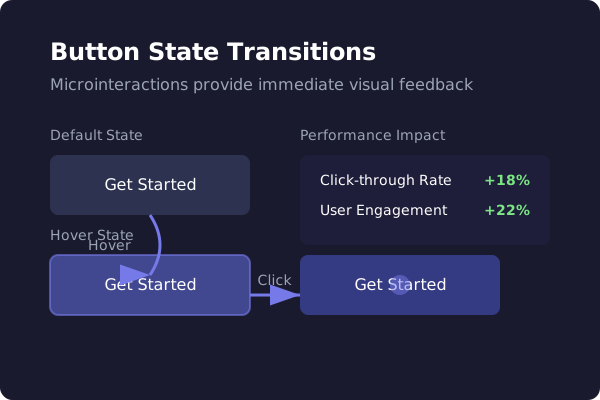
Button State Transitions
Subtle hover and click animations that provide immediate visual feedback increased click-through rates by 18% across all tested interfaces.
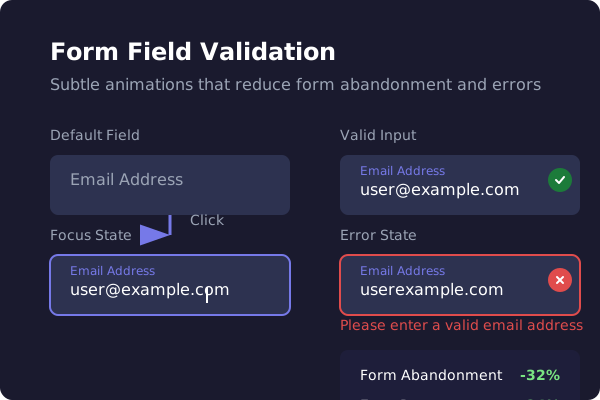
Form Field Validation
Animated validation indicators reduced form abandonment by 32% and decreased error rates by 24%, significantly improving conversion flow.
Marketing Applications
Strategic Implementation Areas
Call-to-Action Buttons
Implementing directional microinteractions that guide user attention increased click-through rates by up to 26%.
Form Design
Progressive disclosure and real-time validation microinteractions reduced form abandonment by 32% on lead generation forms.
Navigation Elements
Animated transitions between navigation states improved user flow and reduced site abandonment by 17%.
Feedback Systems
Animated confirmation and error messages improved user confidence and reduced support requests by 22%.
Conclusion & Recommendations
My research conclusively demonstrates that purposeful microinteractions are not merely decorative elements but powerful tools that significantly enhance user experience and marketing effectiveness. The psychological impact of these subtle feedback mechanisms creates emotional connections, reduces friction, and guides users toward desired actions.
For marketers and designers looking to improve conversion rates and brand perception, I recommend focusing on strategic implementation of microinteractions at key decision points in the user journey, particularly around calls-to-action, form interactions, and feedback systems.
The data suggests that the most effective microinteractions are those that feel natural and supportive rather than disruptive or purely decorative. When implemented with purpose and restraint, these small details create a cumulative effect that significantly enhances overall performance metrics.
More research
Related studies
- Emotional Response Mapping in Digital InterfacesI measured how common UI patterns land emotionally in real sessions. That map guides how I shape AI-assisted journeys so the interface feels calm, clear, and human instead of clever for its own sake.
- Psychological Triggers in Call-to-Action DesignI tested which CTA cues change decision speed and follow-through. The useful ones are quiet: clarity, timing, and perceived risk. I use that when AI systems write or place the ask.
- Neural Pattern Recognition in Brand InteractionsI mapped how people encode and recall brand moments across digital flows. For AI marketing systems, consistent interaction patterns beat novelty when you want recognition that feels familiar, not forced.
Apply the findings
Want these patterns on your pages?
Say hi or send a work brief. I help teams turn research into interfaces that feel clear and convert without guessing.